Home File Ledger resource shelf
How to Choose a Filing Cabinet for a Small Home Office
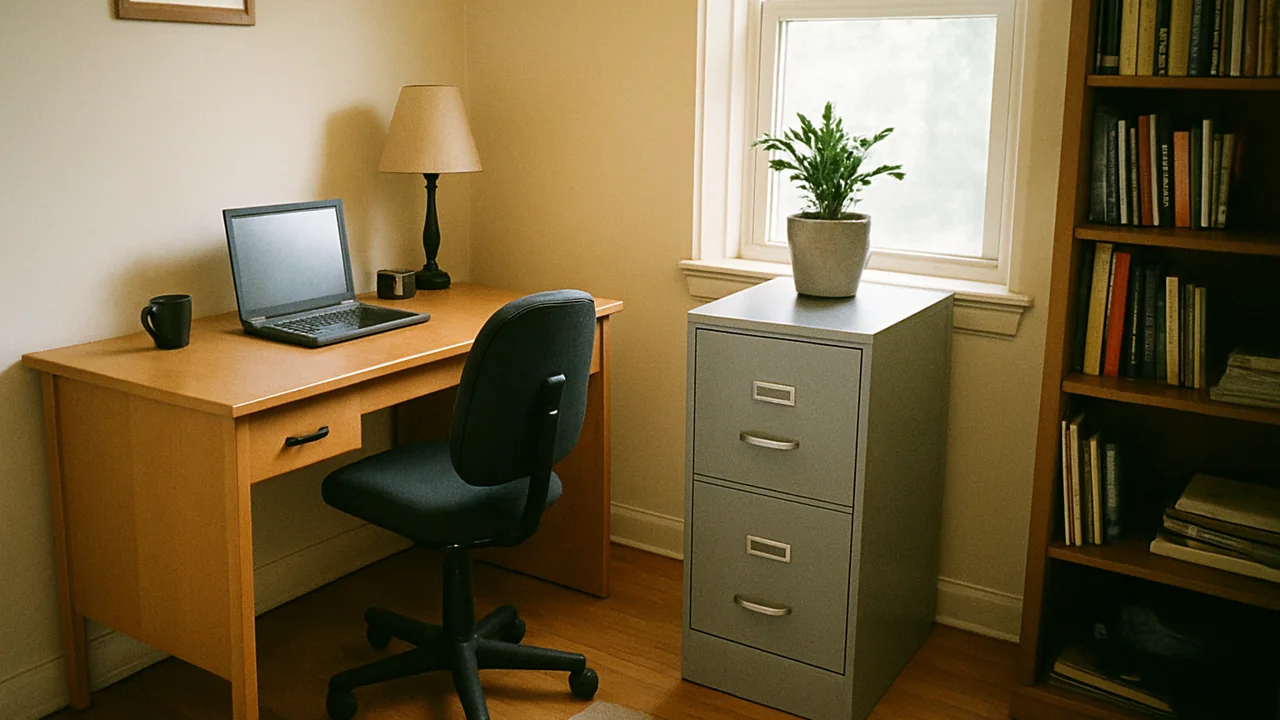
This supporting note looks at one specific part of choosing a home filing cabinet. The main guide is the home filing cabinet overview, while this page narrows the decision into a practical use case.
1. Measure the real space
Measure with drawers open and a chair pulled out. A cabinet can fit the wall and still make the room annoying if the drawer blocks the walking path.
2. Sort active and archive papers
Separate papers you touch weekly from records you keep only for reference. This single step changes the best cabinet shape.
3. Check drawer glide and depth
A smooth drawer matters more at home than it seems. When drawers stick, papers pile on the desk instead of getting filed.
4. Plan labels before buying folders
Use plain labels like Taxes, Medical, Home, Auto, Work, School, and Manuals before creating narrow subfolders.
5. Keep privacy realistic
A lock helps with everyday privacy in shared spaces, but truly irreplaceable records deserve safer storage and backups.
6. Leave room for future paperwork
Buy for the next year, not just today. A cabinet that begins completely full is already too small.
Related filing resources
- Main filing cabinet guide
- Letter vs Legal Filing Cabinets: What Home Buyers Should Check
- When a Lockable Filing Cabinet Makes Sense at Home
- Rolling Filing Cabinets for Flexible Workspaces
- Wood vs Metal Filing Cabinets for Home Offices
- Filing Cabinet Setup Mistakes That Make Paperwork Harder
FAQ
Does this replace the main guide?
No. Use it as a focused note, then return to the main guide for the full buying framework.
What should I do before buying?
Measure the space, count active folders, and decide whether lockable storage is necessary.
Can a small cabinet still work?
Yes, if you separate archive papers from active documents and avoid over-categorizing.
Should files be scanned?
Scanning can reduce clutter, but keep originals when legal, tax, or personal needs require them.